This blogpost is based on one of my lectures. Imagine stepping back to 1800. The air smells of woodsmoke and fresh-ploughed fields. Most people live in small villages, working the land their families have farmed for generations. Then the factories arrive, with the skyline dominated by smoky giants belching steam, clattering machines, and long shifts under the watchful eye of the overseer. Was life better before the machines, or did the Industrial Revolution lift everyone up? This question has divided historians for over a century, and it still matters today when we debate inequality, automation, and the cost of progress.
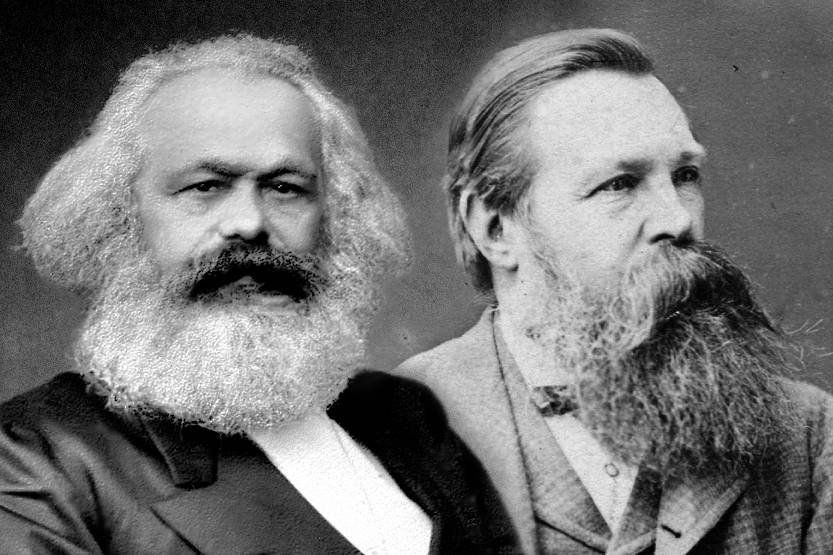
Two German thinkers, Karl Marx and Friedrich Engels, had strong opinions. In the 1840s they argued that factory workers were actually worse off than their rural ancestors. Before factories dominated, most people were peasants or small-scale craftspeople who owned or rented tiny plots of land. They grew their own food, kept a cow or pig, and worked to their own rhythm (weather permitting). Engels painted a grim picture of the new industrial world: owners squeezed wages to the bone because they could always find someone desperate enough to work for less. In their famous Communist Manifesto (1848,) Marx and Engels described capitalism as creating a huge army of wage labourers who owned nothing but their ability to work and the bosses had every reason to keep those wages as low as possible.
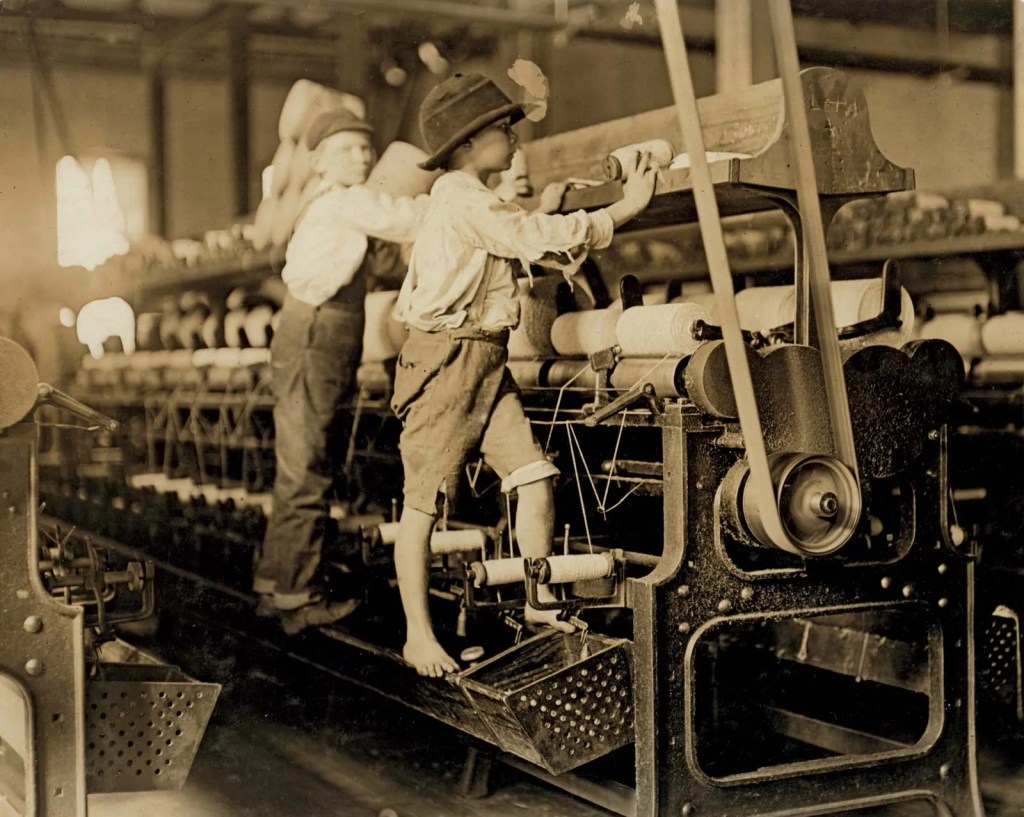
This wasn’t conjecture on their part. Politicians and reformers of the time were already collecting evidence. Royal commissions and parliamentary committees toured factories and mines. Michael Sadler’s 1831–32 inquiry, the Factory Commission of 1833, and the Children’s Employment Commission of 1842 heard heartbreaking testimony from child workers who dragged coal trucks through dark tunnels or tied broken threads in deafening mills for 12–16 hours a day. Edwin Chadwick’s 1842 report The Sanitary Condition of the Labouring Population was a bombshell: it described streets ankle-deep in filth, overflowing cesspits, and death rates that soared in the crowded new cities. Census data backed it up, it was clear that places packed with people had far higher death rates from disease.
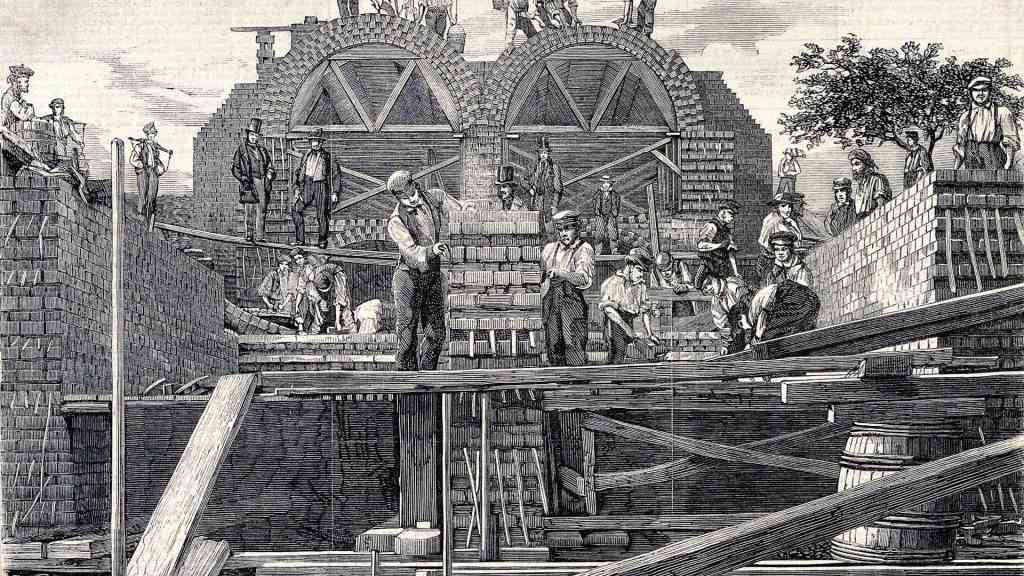
This evidence fed into what historians call “the standard of living debate.” For much of the 20th century, scholars split into two camps. The “pessimists” said living standards fell, especially in the early 19th century. They were inspired by Arnold Toynbee, who in the 1880s called the period “disastrous and terrible” because huge wealth for a few came alongside mass poverty and class division. Writers like Sidney and Beatrice Webb (founders of the Labour Party) and journalists J.L. and B. Hammond hammered home stories of starving hand-loom weavers, child labourers, and families crammed into damp cellars.
The “optimists” pushed back with numbers. In 1926, J.H. Clapham crunched wage and price data and concluded that real wages (what your money could actually buy) rose between 1790 and 1850. T.S. Ashton refined the figures in the 1940s, adding evidence on diets, housing, and imports. Sure, conditions looked bad in the cities, he said, but industrialisation ultimately delivered cheaper goods, more jobs, and rising living standards. By the late 1950s the argument grew fiercer, echoing Cold War battles between capitalism and communism. Marxist historians Eric Hobsbawm and E.P. Thompson revived the pessimistic case, arguing that numbers alone missed the human cost—lost community, destroyed crafts, and a sense of powerlessness. Thompson’s classic The Making of the English Working Class (1963) insisted we had to understand working-class culture, not just spreadsheets. Optimists like R.M. Hartwell countered that impressionistic horror stories were biased and that reformers exaggerated for political effect.
So how do historians actually measure living standards? The classic method is “real wages”: take average pay, adjust (“deflate”) it using price data, and see if workers could buy more bread, beer, or boots over time. It sounds straightforward, but It isn’t.
First, wage records are patchy the further back you go. Before factories, many farm workers were paid partly “in kind” in the form of free milk, firewood, or cheap rent. Second, wages only tell you about people with jobs. Unemployment, under-employment, and seasonal work could wipe out any gains. Third, most price data used wholesale figures, not what people actually paid in shops. Fourth, national averages hide huge regional differences: Lancashire cotton towns boomed while the Weald of Kent deindustrialised. Fifth, the data is mostly about adult men; women, children, and the elderly 0— who made up a big chunk of the workforce — often earned far less or worked unpaid at home.
By the 1970s historians started looking beyond wages. Population exploded after 1750, putting pressure on resources. The proportion of children under 15 rose sharply, so even if Dad earned more, the family had more mouths to feed. Yet Britain avoided the famine Malthus predicted. Why? Agricultural productivity soared and food imports grew. New research on heights (used by biologists as a rough measure of childhood nutrition and health) showed something surprising. Average height fell for people born between 1825 and 1860, especially in cities, even as real wages rose. Rural folk were tallest, despite lower pay. Household budget studies by Sara Horrell and Jane Humphries revealed that gains went mostly to men; women and children often got smaller shares, and women’s employment opportunities shrank as home-based industries died out.
Now let’s talk about one of the biggest blind spots in the old debate: women. Women’s wages were routinely one-third to one-half of men’s. Parliamentary reports and observers like Arthur Young recorded day rates and piece rates across agriculture, textiles, and domestic service. Table after table showed the same pattern: never equal, sometimes as low as 30 %. Why?
Part of the answer lies in an ideal that historians call the “Cult of True Womanhood.” In the 19th century, middle-class writers celebrated four “cardinal virtues” for women: piety, purity, submissiveness, and domesticity. A “true woman” was gentle, modest, and devoted to home and family. She worked for love, not money. Public ambition or factory labour supposedly ruined her gentle nature.
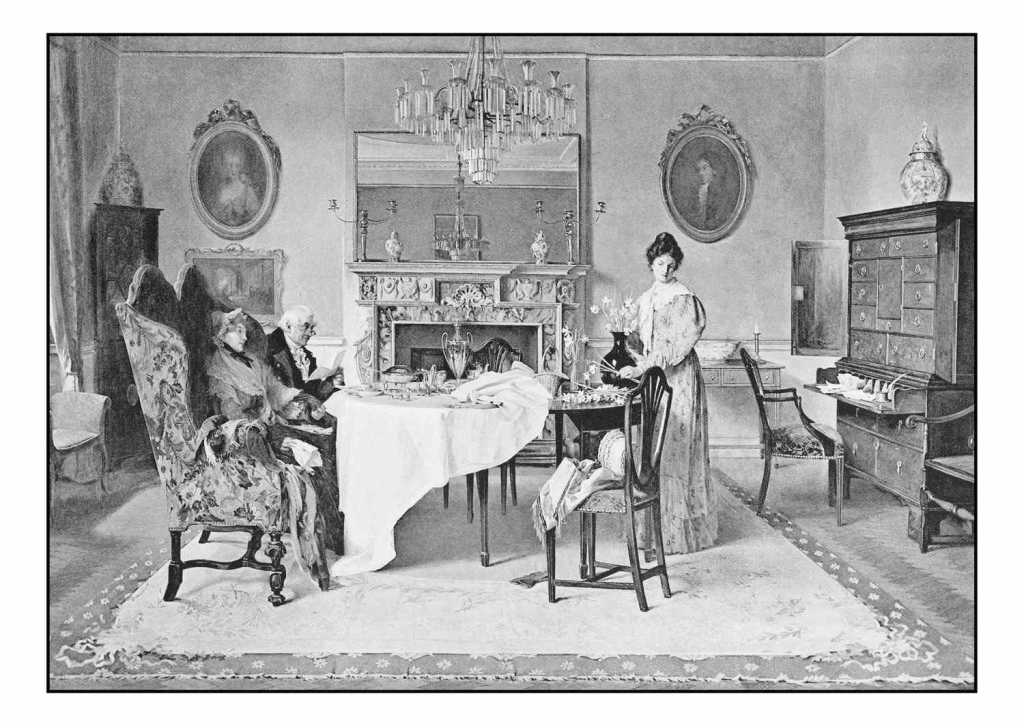
This ideology shaped pay packets. Employers assumed women were physically weaker, less skilled, and only “supplementary” earners who would eventually marry and be supported by husbands. In reality, many women were sole breadwinners or critical contributors. Domestic service in wealthy southern households sometimes paid better than northern factory work because rich employers could afford higher wages. Teaching and running workhouses paid women less than men for similar duties, partly because women were seen as naturally suited to “caring” roles yet still undervalued.
Productivity arguments were used too. In the American South, slave-owners paid more for prime-age male field hands because data from hundreds of thousands of daily cotton-picking records showed men picked about 18 % more than women. Yet women still did back-breaking work, sometimes out-ploughing men in testimony from former slaves. Strength mattered, as did custom. British farm accounts show women often started later and finished earlier to cook and care for children, so their daily pay looked lower even when hourly rates were closer. Piece-rate systems (paid per length of cloth or number of items) could hide family labour: a man brought the finished work to the employer and collected the full wage, even if his wife and children had helped.
Interestingly, when women and men did identical work at home under the “putting-out” system, piece rates were often the same because the employer didn’t know who had done the actual stitching or spinning. During the Napoleonic Wars, demand for British lace and straw plaiting shot up; women in those cottage industries briefly earned more than male farm labourers. The moment peace returned and imports resumed, wages fell again.
Mechanisation hit women hard. Spinning had been women’s biggest employer; the spinning jenny, water frame, and especially the giant mule replaced hand-spinning and eventually required the strength of adult men. Skills women had spent years perfecting suddenly became worthless. At the same time, literacy and formal apprenticeships which were keys to better-paid jobs, were mostly reserved for boys. Girls learned sewing and “accomplishments” designed to attract husbands, not employers.
So was the Industrial Revolution “good” for women? The honest answer is complicated. It destroyed many traditional female occupations but opened factory doors—often at low pay and long hours. It increased overall wealth but widened the gap between rich and poor, men and women. Regional differences mattered enormously: northern textile towns offered more work for women (and higher agricultural wages because of competition), while the rural south clung to older patterns.
The standard-of-living debate never produced a simple winner. Most historians today agree that after about 1820 real wages did rise for many, especially after the Napoleonic Wars. Yet the human cost in the early decades, which included child labour, urban disease, lost autonomy, was real and devastating. Non-wage factors like health, family structure, and gender roles often moved in the opposite direction to wage statistics.
Why does any of this matter in the 21st century? Because we are living through another technological revolution. Automation, gig economies, and AI raise the same questions: who gains? Who loses? Are rising GDP figures masking falling quality of life for some groups? Understanding the Industrial Revolution reminds us that progress is never neutral. It benefits some while squeezing others, and the stories we choose to tell whether pessimist or optimist, shape how we design fairer futures.
Next time you pull on a cheap cotton T-shirt or scroll past another “disruptive” tech headline, remember the weavers, the child piecers, the women at the spinning wheel, and the reformers who documented their struggles. History doesn’t repeat, but it rhymes. The fight for decent wages, safe conditions, and genuine opportunity is still very much alive.
Sami Pinarbasi – Manchester.
 Sami Pinarbasi
Leave a comment